
OTT Addiction: The Hidden Mental Health Side Effects of Binge-Watching
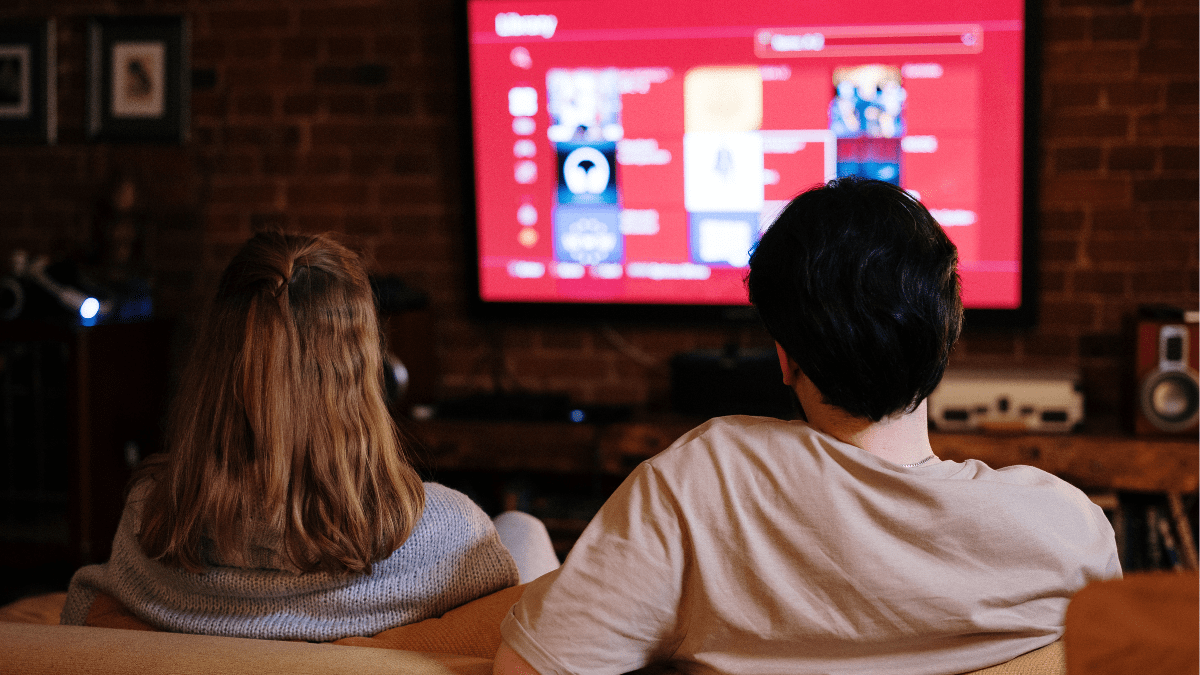
OTT Addiction: The Hidden Mental Health Side Effects of Binge-Watching
Introduction
A few years ago, I spent an entire weekend watching an entire season of a web series. It started on a Friday night with “just one episode,” and before I knew it, I was watching the sunrise on Sunday morning, my eyes aching, my head spinning, and my emotions numb. I wasn’t alone. In today’s digital age, OTT platforms have become our go-to escape, but the question we often fail to ask is—what is it doing to our mental health?
Let’s sit down like old friends and talk, heart to heart, about something we all experience but rarely admit: the emotional cost of binge-watching.
The Allure of Binge-Watching: A Digital Comfort Zone
OTT platforms like Netflix, Amazon Prime, Disney+ Hotstar, and others offer an endless stream of entertainment. The stories are gripping. The cliffhangers are masterful. And the autoplay feature? It’s like a sweet friend who whispers, “Don’t stop, just one more.”
We watch to laugh, to cry, to feel something. For many, watching web series is more than a hobby—it’s a coping mechanism. A way to forget the workload, escape family stress, or avoid the anxiety of the real world.
But here’s the truth wrapped in soft cotton: when escape becomes a pattern, it silently turns into addiction.
Real-Life Stories That Might Feel Familiar
Let me introduce you to Riya, a 24-year-old from Mumbai. She’s working from home, living alone. OTT was her best friend during lockdown. What began as evening entertainment became her nightly routine. She started sleeping at 4 AM, waking up groggy, irritable, and disconnected.
Or take Raj, a 35-year-old IT professional in Bengaluru. He once told me, “After a stressful day, binge-watching calms me down.” But it came at a price—poor sleep, mood swings, and growing anxiety when he wasn’t watching something.
These stories are not rare. Maybe you see a part of yourself in them too.
The Science Behind the Screens
Let’s bring in some research—but don’t worry, I’ll keep it light.
Watching your favorite shows triggers dopamine—the “feel good” chemical. It gives you that rush of excitement, that thrill. But here’s the twist—our brains get used to it, and we start craving more. The emotional rollercoaster of a series can leave us overstimulated, exhausted, and emotionally drained.
Sleep experts say blue light from screens suppresses melatonin, making it harder to sleep. Psychologists are noticing increasing cases of screen-induced anxiety, where people feel restless or moody when not watching.
This isn’t just about screen time—it’s about emotional dependency.
Hidden Mental Health Side Effects of OTT Addiction
1. Sleep Disruption
Staying up till 2 or 3 AM to finish “just one more episode”? It’s a common habit with serious effects—insomnia, fatigue, and even depression. Sleep is healing, and without it, everything feels heavier.
2. Increased Anxiety and Stress
OTT content is often intense—thrillers, dramas, true crime. Constant emotional highs and lows can trigger anxiety and reduce your threshold for stress.
3. Social Withdrawal
You start cancelling plans, preferring a screen over real people. Relationships weaken. You smile less. Even your voice feels unfamiliar.
4. Reduced Attention Span
Quick scenes, fast transitions, and constant stimulation make our brains crave speed. Over time, even a 10-minute conversation feels boring.
5. Guilt and Shame
After hours of watching, you feel guilty. “I wasted my time again.” This emotional self-blame damages your self-worth and leads to more screen time to numb the guilt—a vicious cycle.
Is It Really Addiction?
Here’s a simple test:
- Do you feel anxious or restless if you don’t watch something?
- Do you cancel important things to binge?
- Do you lie about how much you watch?
- Do you feel numb after bingeing?
If you answered yes to two or more, it’s worth taking a pause.
This doesn’t mean you’re broken. It means you’re human—and maybe it’s time to check in with yourself.
What Can We Do? (Hint: You Don’t Have to Quit Completely)
The goal isn’t to demonize OTT. It’s to reclaim control.
1. Set Intentional Limits
Instead of auto-play, decide in advance: “I’ll watch 2 episodes.” Use timers. Be intentional.
2. Create a Sleep Routine
Power down your screen at least 1 hour before bed. Try reading, journaling, or listening to calm music.
3. Bring in Offline Joy
Start a hobby—painting, gardening, dancing, talking to a friend. Make your life more interesting than the screen.
4. Talk About It
If bingeing feels like a way to escape emotional pain, talk to someone. A therapist, a friend, even writing can help.
5. Mindful Watching
Ask yourself after each episode—“How do I feel right now?” The answer can guide your next step.
My Personal Journey
I once thought binge-watching was harmless. But it started affecting my work, my sleep, and most painfully—my sense of self. I wasn’t living; I was watching others live.
So, I took a weekend off. No screens. Just silence, nature, and long talks with myself.
Was it easy? No.
Was it worth it? Absolutely.
Final Thoughts: Let’s Watch, but Let’s Live More
You’re not weak for wanting comfort. But comfort should heal you, not harm you.
OTT is a wonderful invention—but like chocolate, too much can make you sick.
This isn’t a “stop watching” article. It’s a gentle reminder to check in with your heart. Are you watching because it brings joy—or because it hides the pain?
If this touched you, know you’re not alone. And maybe tonight, instead of another episode, you could go for a walk. Or write. Or call that old friend.
You deserve a life that’s more beautiful than any series


